How to Get Married in Devon: A Simple Guide for Couples in England & Wales
Ask most couples how to actually get married — legally, officially, done — and you'll get a lot of uncertain looks. It sounds like it should be complicated. It isn't. Here's the whole process, simply explained.
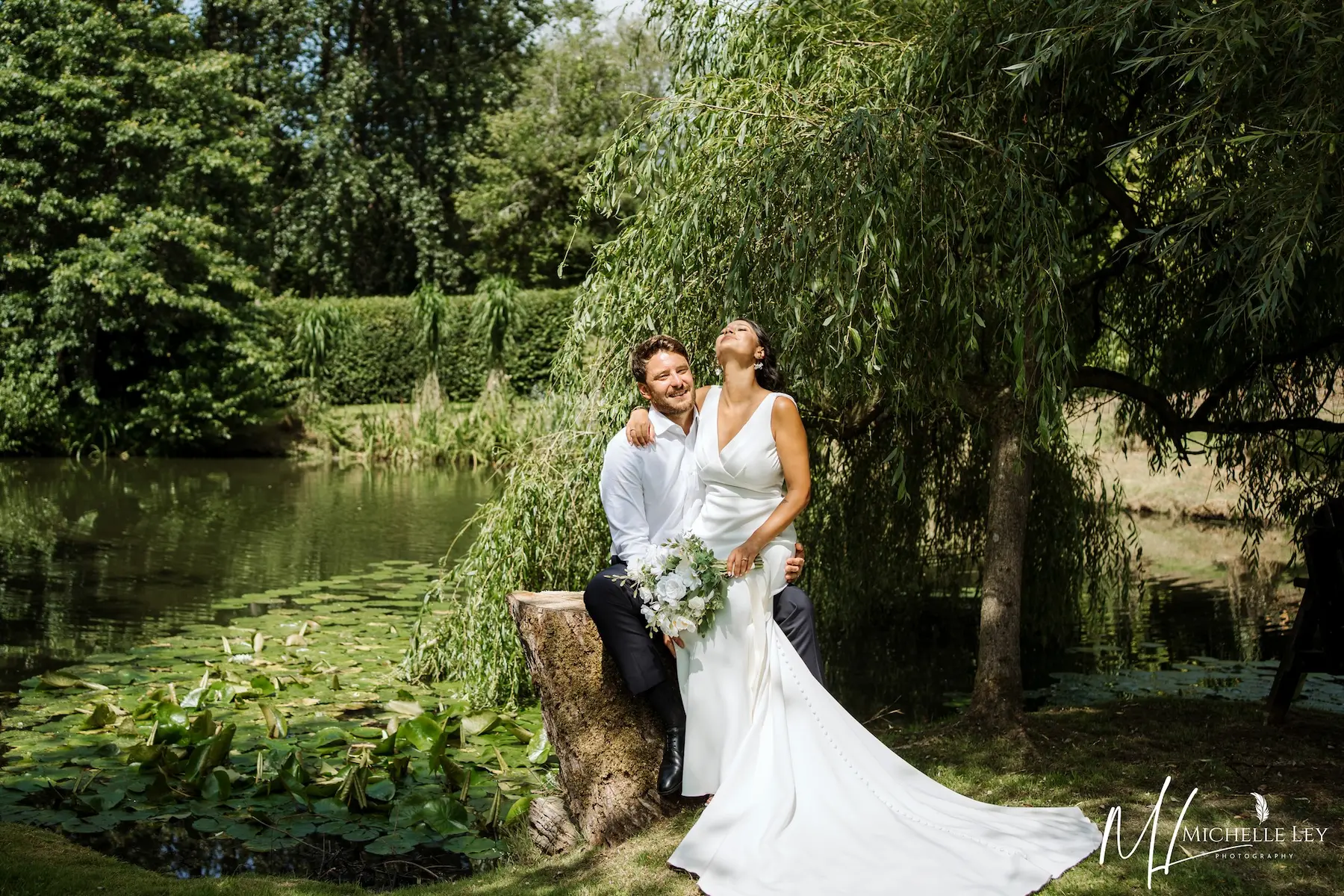
There are a few steps, a small amount of paperwork, and some things you need to book in advance. That's about it. Whether you're planning an elopement at Millbrook Estate or an intimate wedding in Devon, this guide walks you through everything you need to know.
Step 1: Choose Your Venue
Your venue needs to be licensed for civil marriages. Most dedicated wedding venues are, but it's always worth confirming before you fall in love with somewhere.
If you're thinking about a church, that's a slightly different process — the church handles most of the legal paperwork through the banns or a common licence. But for the majority of elopements and intimate weddings in Devon, you'll be going the civil route.
One thing worth knowing: outdoor ceremonies are absolutely possible at a licensed venue — gardens, meadows, clifftops, all fair game.
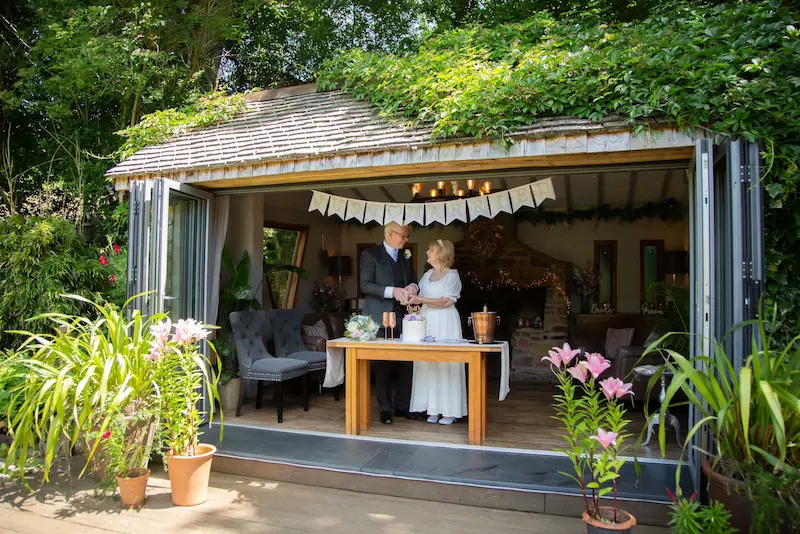
At Millbrook Estate, we offer both elopement packages and micro weddings for small groups — both fully licensed for civil ceremonies in the heart of Devon.

Step 2: Book Your Registrar
Do this as soon as you have a confirmed venue date. Registrars book up fast, particularly at weekends and in the summer months.
You need to contact the register office for the district where your venue is located — not where you live. For Millbrook Estate, that's Devon Register Office.
Fees vary by local authority. Devon charges from around £550, while Cornwall starts from £800 upwards. Weekends typically cost more than weekdays — it's worth factoring this into your budget early.
Step 3: Give Notice at Your Local Register Office
This is the legal step that most couples don't know about until they start planning. Once you've booked your venue and registrar, you need to give notice of your intention to marry — this is done at the register office for the area where you live (or where you've stayed for a minimum of 7 days). Not the venue's register office.
A few things to know:
- You both need to attend in person — either together or separately
- Notice must be given at least 29 clear days before your wedding
- Notice can be given up to 12 months before the date
- There's a fee of £42 per person
- Book an appointment first — most register offices won't accept walk-ins for giving notice
If you live in different districts, you each give notice at your own local register office.
The 29-day notice period also means that a wedding can come together faster than most people think — if you're dreaming of something sooner rather than later, take a look at our last minute elopement packages at Millbrook Estate.
FAQ: How Old Do Wedding Witnesses Need to Be?
This is one of the questions we're asked most often — and the answer might surprise you. There is no fixed legal age for wedding witnesses in England and Wales. The legislation simply states that witnesses must be able to understand what they are signing. In practice, this is determined by the local authority.
In Devon, the register office recommends a minimum age of 16, though exceptions have been made. If you have a specific situation in mind — a younger sibling or a special family member — it's always worth a direct conversation with your registrar.
Correct as of 1st January 2026, per Devon Register Office. We recommend confirming directly with your registrar for the most up-to-date guidance.
Step 4: What to Bring When You Give Notice
Keep it simple. You'll need:
- Proof of identity — a valid passport or birth certificate
- Proof of address — a utility bill or bank statement dated within the last 3 months
- If you've been married before — your decree absolute (if divorced) or your former spouse's death certificate
That's it. The register office processes your notice, the 28-day period begins, and once it's up, you're legally clear to marry.
Step 5: The Preference Form
Around six weeks before your wedding, the registrar will send a preference form by email. This is your chance to personalise the ceremony — within the rules of a civil wedding.
You'll be asked about readings (welcome, but must be non-religious), music for your arrival, the signing of the register and your exit (must not contain religious content, swear words, or anything contentious — if you're unsure about a track, check with your registrar), your vows (the legal vows are fixed, but you can often add personal words around them), and the overall order of service.
Fill this in thoughtfully. It's what takes the legal formality and makes it genuinely feel like your wedding.
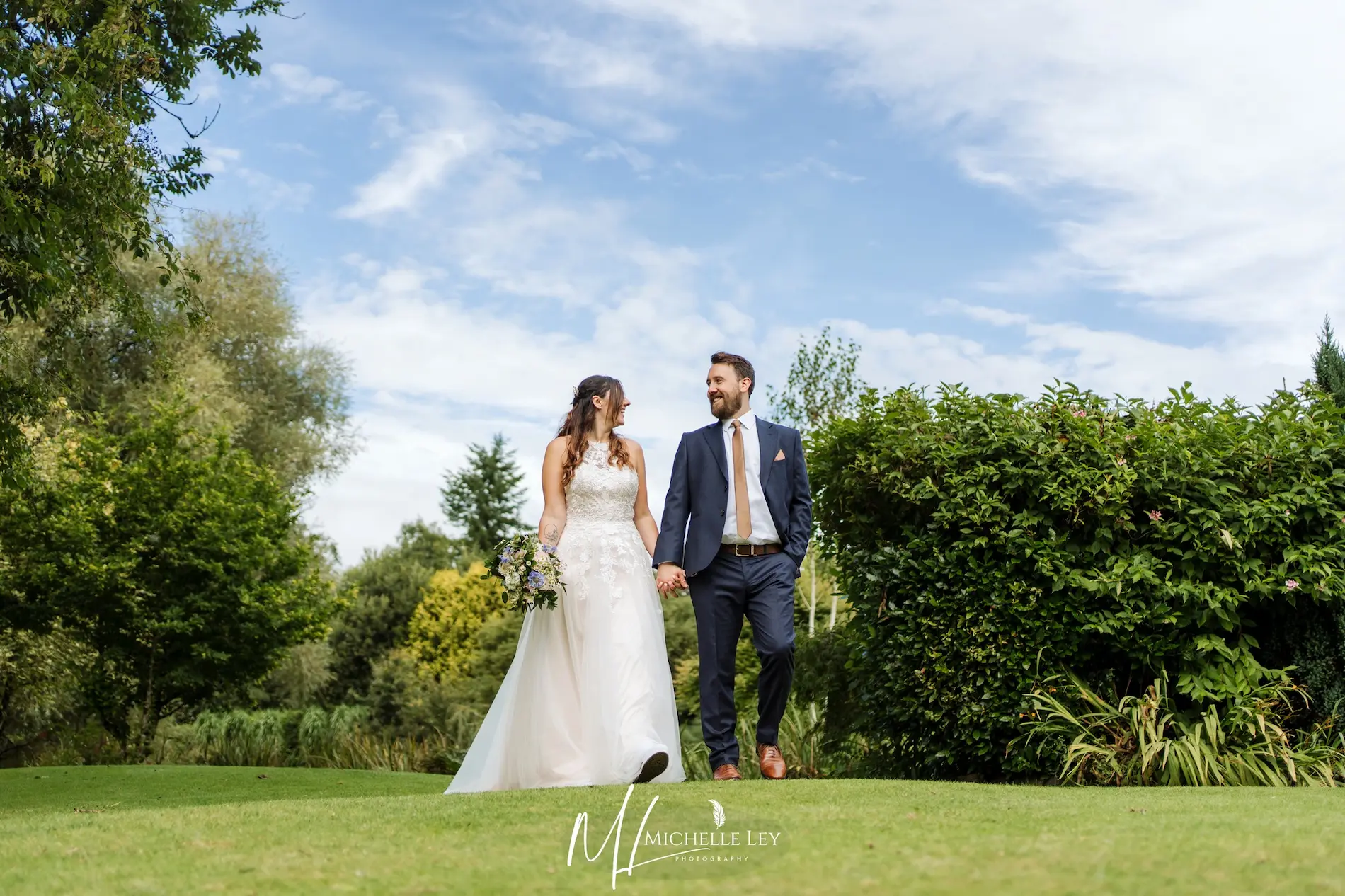
What About a Humanist or Celebrant Ceremony?
A lot of couples ask about this — and it's a really good question. Humanist and celebrant-led ceremonies can be incredibly personal and meaningful, but in England and Wales, they're not legally binding on their own (unlike in Scotland, where humanist ceremonies are fully recognised in law).
That means if you want a celebrant to lead your ceremony, you'd need to also complete the legal bit separately — either at a register office beforehand, or by having a registrar present at your venue as well. Some couples love this approach: a quiet, low-key legal signing, followed by a ceremony that's entirely their own. It's a genuinely lovely option and well worth knowing about.
The Bit People Always Worry About
The legal ceremony itself is short. You'll say the prescribed legal words, your two witnesses will sign the register — they can be anyone: guests, family, even your photographer — and that's it. You're married.
Everything else — the vows you've written, the music you've chosen, the ceremony your officiant has shaped around you — that's the experience of the day. The legal part takes minutes.
After the Wedding: Changing Your Name
Your marriage certificate is the only document you need to start changing your name. With it, you can update your passport, driving licence, bank accounts, and everything else. There's no separate legal process — the certificate does the job.
It's one of those things people assume is complicated but turns out to be surprisingly straightforward. Much like the rest of this.
What If You Live in Scotland, Northern Ireland, or Abroad?
The process above applies to couples who are resident in England or Wales. If you live in Scotland, Northern Ireland, or outside the UK, getting married in England or Wales is still absolutely possible — it's just a little more involved. Residency requirements and paperwork differ, and it's worth getting specific advice for your situation.
We've helped couples travel from all over the world to get married at Millbrook Estate, and we're always happy to point you in the right direction. Get in touch and we'll help you work out what you need.
One Final Thought
The process in England and Wales is genuinely more straightforward than it looks when you first start Googling. Book your venue, book your registrar, give notice, fill in the form, show up. The paperwork is manageable.
The bit that takes real thought is making the day feel like you — and that's the part we love helping with at Millbrook Estate. If you'd like to explore our elopement packages or intimate wedding options in Devon, we'd love to hear from you.
This guide reflects the legal process as it stood in England and Wales on 1st January 2026. We recommend checking GOV.UK or speaking directly with your local register office for the most current requirements.
Ready to Start Planning Your Devon Wedding?
Whether you're at the very beginning of your planning or you've already given notice and just need the perfect venue, we'd love to hear from you. Meg, Bob and the team at Millbrook Estate are always happy to talk through your ideas, check availability, and help you put together a day that feels completely right for you.
Drop us a line at office@millbrookestate.co.uk or explore our elopement packages and micro wedding options — we can't wait to hear about you both.